Quality & Grading - 3 min read
Green Coffee Moisture Content Explained
A clear explanation of why moisture content matters in green coffee purchasing, storage, shipment, roasting consistency, and supplier-buyer quality discussions.
By PT. Nawasena International Group, Editorial Team
Published . Updated .
3 min read
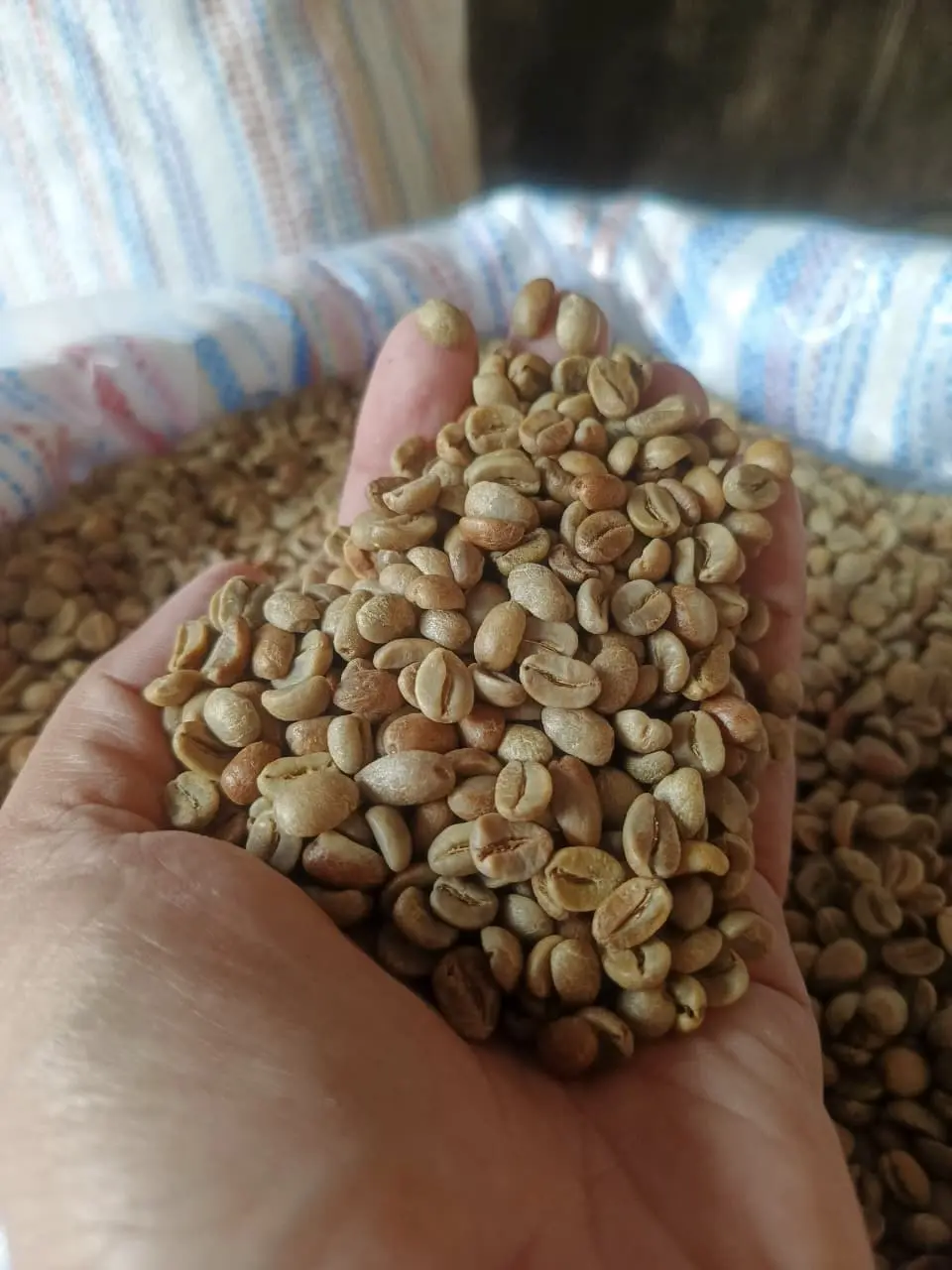
Moisture content is one of the most important quality-control indicators in green coffee. For roasters, importers, and distributors, moisture affects storage stability, shipment risk, roasting behavior, and the overall reliability of a purchased lot. It should be reviewed before sample approval, quotation confirmation, and shipment preparation.
In B2B green coffee sourcing, moisture should not be treated as a decorative specification. It is a practical measurement that helps buyers understand whether the coffee is prepared, stored, and shipped in a condition suitable for commercial use.
Why Moisture Content Matters
Green coffee is hygroscopic, meaning it can absorb or lose moisture depending on its environment. If moisture is too high, buyers may face higher risk during storage and transport. If it is too low, the coffee may become brittle, age faster, or behave differently during roasting. The ideal target can vary by buyer requirement, origin, processing method, and shipment plan.
For this reason, buyers should always ask whether the moisture value is measured per lot, estimated from supplier records, or pending final verification. The value should be considered together with other quality indicators rather than viewed in isolation.
Moisture and Shipment Risk
International shipment exposes green coffee to time, temperature changes, humidity, container conditions, and handling variables. Proper moisture control helps reduce the risk of quality loss before the coffee reaches the buyer. Packaging, warehouse condition, loading process, and container planning also play important roles.
- Ask when and how the moisture was measured.
- Confirm whether the value represents the offered lot or only a general origin target.
- Review packaging and storage conditions before shipment.
- Discuss inspection, sampling, or pre-shipment verification when needed.
Moisture and Roasting Consistency
Roasters often notice that green coffee moisture can influence roast development, heat transfer, and consistency between batches. A coffee that looks similar on paper may behave differently if moisture, density, screen size, and processing method vary significantly. This is why sample roasting and production roasting should be connected to lot specifications.
For commercial buyers, consistent moisture information supports repeatability. It helps procurement teams compare lots, manage storage expectations, and communicate more clearly with roasting teams or downstream customers.
Moisture Should Be Reviewed With Other Specifications
Moisture alone does not define coffee quality. Buyers should review it alongside defect count, grade, screen size, processing method, cup evaluation, harvest period, packaging, and traceability information. A complete review gives a more realistic picture of whether the coffee fits the buyer's needs.
Nawasena avoids publishing invented moisture values on public product pages. Final moisture information should be confirmed per available lot before quotation or shipment.
What Buyers Should Ask Suppliers
Before confirming an order, buyers should ask for the lot specification, sample availability, measurement status, shipment timeline, and any quality-control documentation available. If the coffee will be shipped internationally, these details should be discussed early so the commercial agreement reflects the buyer's quality expectations.
A transparent moisture discussion helps both buyer and supplier work from the same quality standard. It also reduces misunderstanding during sample approval, contract negotiation, and shipment preparation.
Request Java Ijen Samples
Discuss current availability, samples, specifications, and commercial next steps with Nawasena.
ContinueRelated product
Arabica Java Ijen
About the author
PT. Nawasena International Group
Editorial team of PT. Nawasena International Group.